kenn-forge is a local maintainer console for pull requests, issues, reviews, activity, and local workspaces. It syncs the repositories you maintain into a local SQLite database and serves the UI from one binary.
Start with the user guide for setup and workflows.
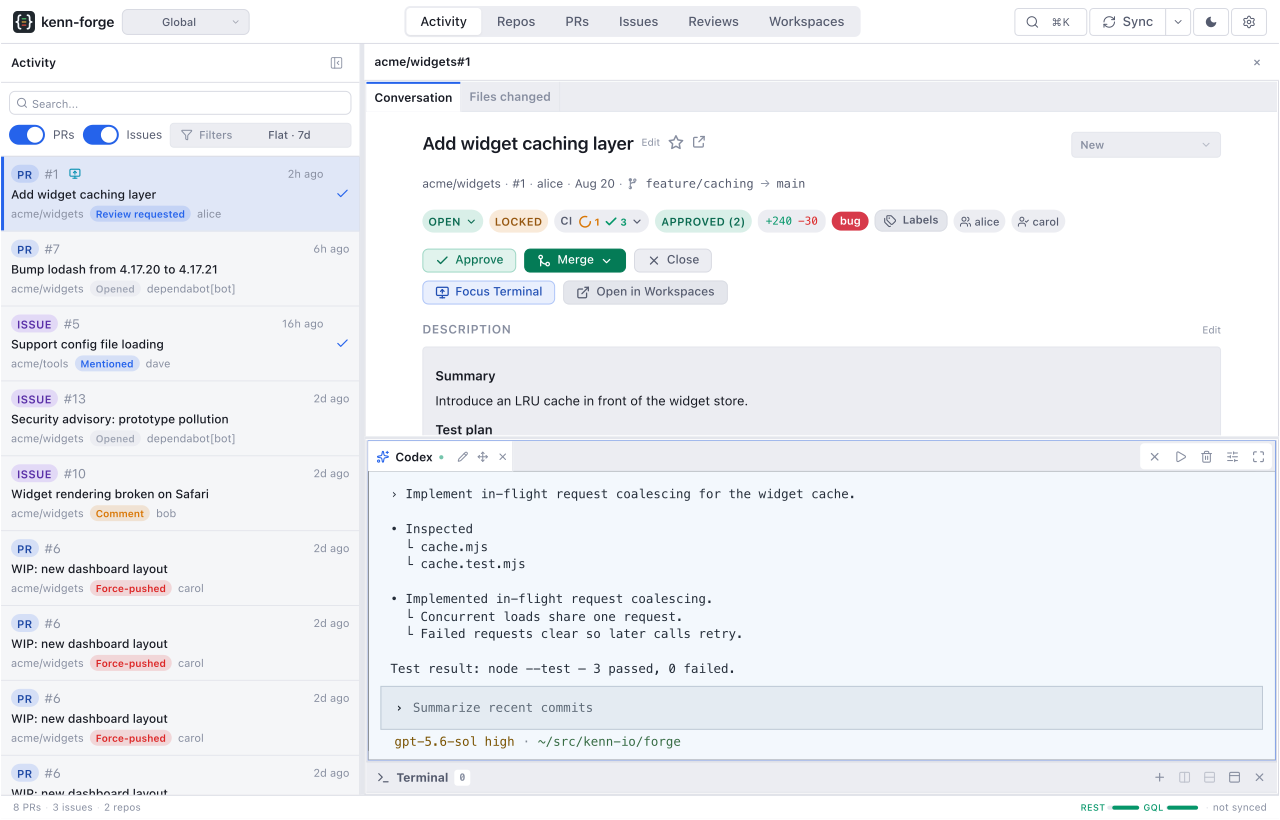
Activity keeps the selected pull request beside its live workspace and coding-agent session.
- Triage activity across repositories and provider hosts.
- Review pull requests and merge requests with discussion, diffs, and CI context.
- Work with issues without leaving the console.
- Create local workspaces for hands-on review or implementation.
- Read and respond to Roborev reviews from a running daemon.
- Link Kata issues to provider work and local workspaces.
- Browse and edit registered Markdown folders.
- Expose cached maintainer workflows to local MCP clients from the daemon.
- View and operate remote kenn-forge daemons through a federated fleet.
Provider capabilities vary. kenn-forge shows unsupported actions as unavailable.
Download the archive for your system from
GitHub Releases. Releases
include a SHA256SUMS file.
| System | Architecture | Archive |
|---|---|---|
| Linux | x86-64 | forge_<version>_linux_amd64.tar.gz |
| Linux | ARM64 | forge_<version>_linux_arm64.tar.gz |
| macOS | Intel | forge_<version>_darwin_amd64.tar.gz |
| macOS | Apple silicon | forge_<version>_darwin_arm64.tar.gz |
| Windows | x86-64 | forge_<version>_windows_amd64.zip |
Extract the archive and move kenn-forge or kenn-forge.exe to a directory on
your PATH.
Build the current source when no release is published:
git clone https://github.com/kenn-io/forge.git kenn-forge
cd kenn-forge
make install
Source builds require Go 1.27+ and Bun.
GitHub users can reuse an authenticated GitHub CLI session:
gh auth login
kenn-forge daemon start
Open http://127.0.0.1:8091. First-run setup connects a code forge, adds
repositories, runs the first sync, and opens a pull request.
Use kenn-forge serve when you want the server attached to the foreground for
development or diagnosis.
The Repositories panel selects provider hosts and repository patterns. GitLab,
Forgejo, and Gitea hosts reuse an authenticated glab or fj session the same
way. Configure explicit credentials through environment variables or
~/.kenn/forge/config.toml; see Configuration.
Local workspaces require Git and tmux on a Unix-like host. The Windows release supports the dashboard and provider actions. Use WSL or a remote Unix-like kenn-forge host when you need workspace sessions.
Build forge-gh with go build -o tmp/forge-gh ./cmd/forge-gh. Keep the real
gh installed. To opt a tool into the shim, put a symlink named gh to this
binary in a separate directory ahead of the real gh on that tool's PATH.
FORGE_GH_REAL can select the real executable explicitly.
The shim serves piped pr list and pr view <number> JSON queries for watched
GitHub repositories from the local daemon's SQLite data on hubs and spokes.
Missing numeric views can use the existing hub PR-read API. Normal
Forge sync owns freshness; the shim neither fetches provider data nor keeps an
extra cache. List queries require a completed repository sync, and historical
lists also require a complete archived PR inventory. List filters include
--head, --base, --state, and --limit. Supported JSON fields
are number,title,state,url,body,isDraft,headRefName,headRefOid,baseRefName,createdAt,updatedAt,closedAt,mergedAt.
Everything else delegates unchanged to gh, including untracked repositories,
branch-based views, checks, terminal output, --jq, --template, unsupported
fields, missing or incomplete stored data, and unavailable daemons. Use --repo
or GH_REPO when the checkout has multiple remotes. FORGE_GH_CONFIG selects a non-default Forge config file.
Full argument arrays (argv), command names, and outcomes are appended to
forge-gh-usage.jsonl in Forge's default config directory, including flag
values. To rank the exact invocations that are served or delegated:
jq -s 'group_by([.argv,.reason]) | map({argv: .[0].argv, reason: .[0].reason, count: length}) | sort_by(-.count)' ~/.kenn/forge/forge-gh-usage.jsonlkenn-forge is licensed under the Elastic License 2.0. Contributions made before the relicense remain available under the MIT License; see NOTICE. Contact Kenn Software at info@kenn.io for commercial licensing.